Understanding Kieferorthopädie: The Basics of Orthodontics
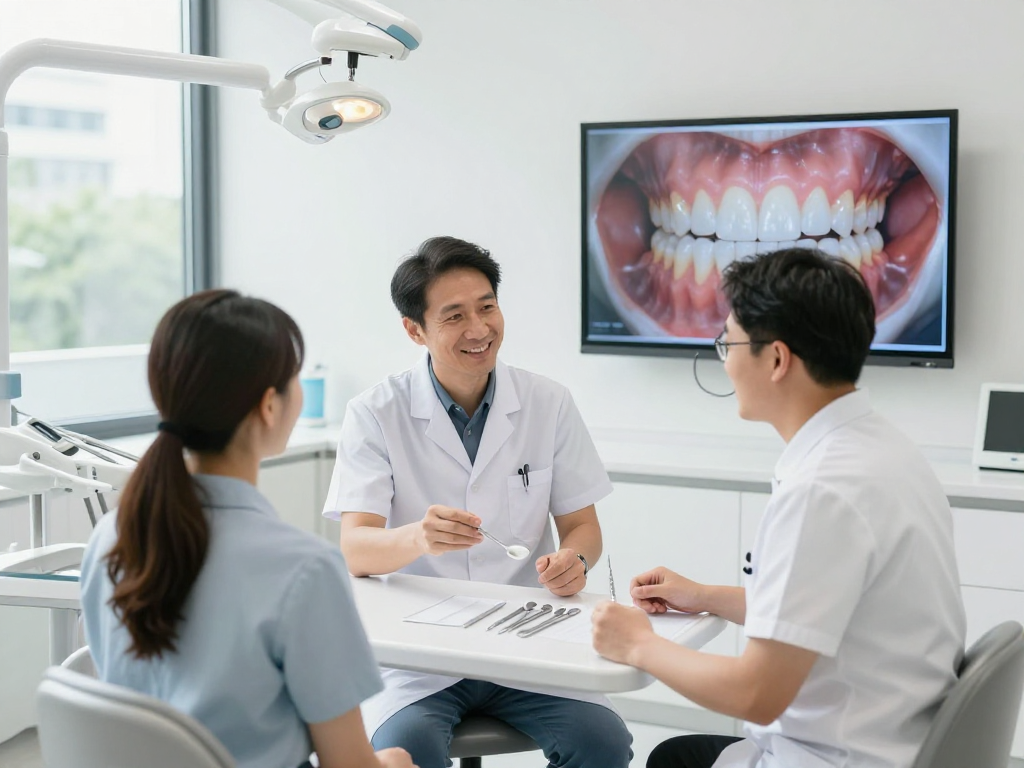
Kieferorthopädie, or orthodontics, is a specialized field within dentistry focusing on diagnosing, preventing, and treating dental and facial irregularities. This discipline has significant implications for both children's and adult's oral health, affecting everything from aesthetics to functional bite mechanics. As we approach 2026, the importance of orthodontics continues to grow, reflecting broader trends in health and wellness. When exploring options, Kieferorthopädie provides comprehensive insights into the needs and complexities of patients seeking orthodontic care, highlighting the demand for modern solutions.
What is Kieferorthopädie and Why It Matters?
Kieferorthopädie plays a vital role in dental health by ensuring that teeth are properly aligned and that the bite functions effectively. Misalignment can lead to issues such as tooth decay, gum disease, and jaw pain. Understanding the significance of orthodontics helps patients appreciate the long-term health benefits of treatment. Moreover, advancements in technology have enabled orthodontists to offer less invasive, more effective solutions tailored to individual needs.
The Evolution of Orthodontic Treatments
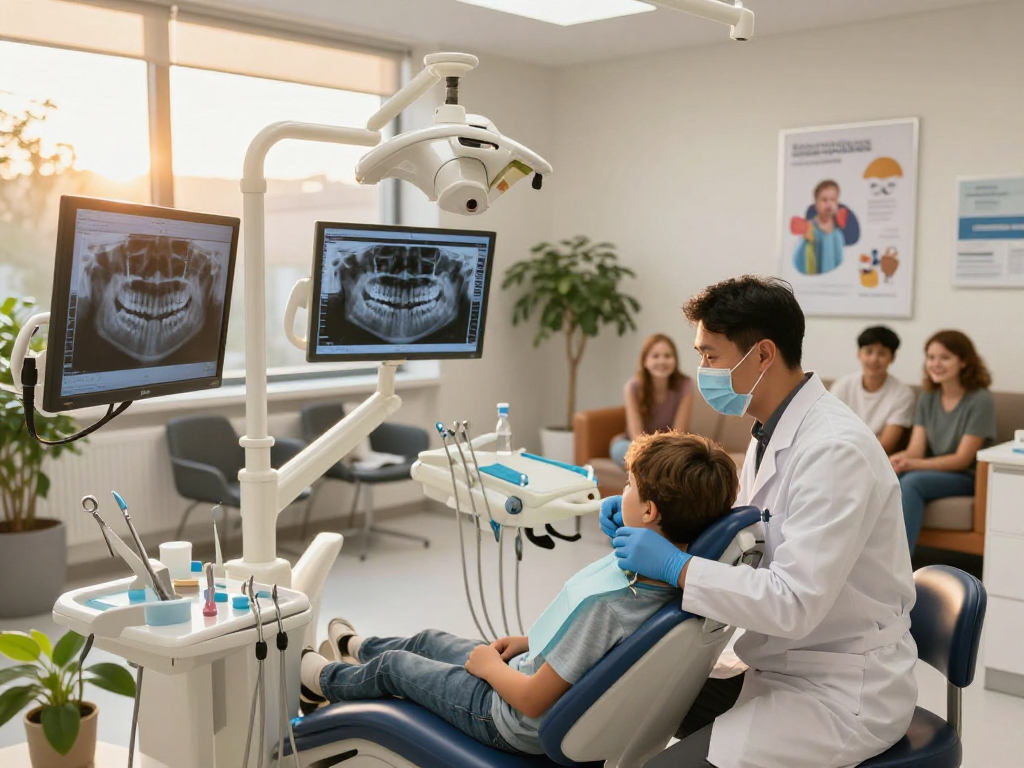
Orthodontic treatments have evolved dramatically over the years. From traditional metal braces to modern alternatives like clear aligners, the options available today are varied and patient-friendly. Innovations such as 3D imaging and computer-aided design have revolutionized the planning and execution of treatment, leading to more predictable outcomes and enhanced patient satisfaction.
Key Terminology in Orthodontics You Should Know
- Braces: A dental appliance used to align and straighten teeth.
- Aligners: Clear, removable trays that gradually move teeth into position.
- Malocclusion: A misalignment of teeth when the jaws are closed.
- Retention: The phase after active orthodontic treatment where retainers are used to maintain the new position of teeth.
Data Privacy in Orthodontics: Legal Obligations and Best Practices
In the realm of Kieferorthopädie, safeguarding patient information is paramount. The sensitivity of health data necessitates strict compliance with data protection regulations, including the General Data Protection Regulation (GDPR). Practitioners must adopt best practices to ensure both legal compliance and patient trust.
The Importance of Data Protection in Kieferorthopädie
Patient confidentiality is a core principle of the healthcare industry. In orthodontics, practitioners handle sensitive information, including medical history and treatment plans. Protecting this data is not just a legal requirement but also a crucial element of patient care and trust.
Common Data Privacy Regulations You Need to Follow
Orthodontic practices must adhere to various regulations governing data privacy. Key directives include the GDPR, which mandates transparency in data collection, processing, and storage. Additionally, local laws may impose further requirements tailored to specific regions or patient demographics.
How to Ensure Compliance and Maintain Patient Trust
- Implement robust data management practices.
- Regularly train staff on data protection protocols.
- Establish clear communication channels for patient inquiries regarding data use.
Digital Accessibility in Orthodontic Practices
As digital solutions become increasingly integral in healthcare, ensuring accessibility is essential. Digital platforms must be inclusive and compliant with accessibility standards, providing equitable access to all patients, including those with disabilities.
Understanding Barrierefreiheit and Its Importance
Barrierefreiheit, or accessibility, refers to the design of products and environments that are usable by all people, regardless of their abilities or disabilities. In the context of Kieferorthopädie, this is vital for creating user-friendly patient portals and websites that allow everyone to retrieve information and access services without hindrance.
Strategies to Make Your Orthodontic Practice More Accessible
- Adopt web designs compliant with WCAG standards.
- Utilize adaptive technologies for interactive patient communication.
- Conduct regular audits to assess digital accessibility and implement improvements.
Tools for Testing Digital Accessibility Compliance
To ensure that your digital presence meets accessibility standards, consider using tools such as WAVE and Google Lighthouse. These resources can help identify areas for improvement and guide you in making your orthodontic practice more accessible to all patients.
Challenges in Kieferorthopädie: Common Misconceptions and Realities
Despite its proven benefits, Kieferorthopädie is often surrounded by misconceptions that can deter patients from seeking necessary treatment. Addressing these myths is crucial for raising awareness and encouraging engagement with orthodontic services.
Addressing Myths About Orthodontic Treatments
Common misunderstandings about orthodontic treatments include beliefs that they are only for children or that they are purely cosmetic without health benefits. Educating patients about the comprehensive advantages of treatment, including improved oral health, can encourage more individuals to seek care.
Common Obstacles Patients Face During Treatment
Patients may encounter various challenges during their orthodontic journey, including discomfort from braces or aligners, dietary restrictions, and financial concerns. Acknowledging these obstacles and providing support can enhance the patient experience and encourage adherence to treatment plans.
Real-Life Success Stories from Patients
Sharing testimonials and success stories from previous patients can inspire others to pursue their orthodontic care. Highlighting transformations not only promotes the practice but also serves as a motivational tool for patients considering treatment.
The Future of Kieferorthopädie: Trends to Watch in 2026
As we look ahead to 2026, several key trends are shaping the future of Kieferorthopädie, driven by technological advancements, changing patient expectations, and regulatory adjustments.
Emerging Technologies in Orthodontics
Technological innovations such as AI-driven diagnostics and 3D printing are set to revolutionize Kieferorthopädie. These tools will enhance precision in treatment planning and delivery, leading to improved outcomes for patients.
Patient-Centric Approaches: The Shift in Orthodontic Care
Patients increasingly expect personalized care experiences. This shift is prompting orthodontists to adopt a more patient-centric approach, focusing on individual needs and preferences throughout the treatment process.
Preparing for Changes in the Regulatory Landscape
As regulations evolve, orthodontic practices must stay informed and prepared to comply with new standards. Being proactive in understanding these changes will help practices avoid penalties and enhance their service offerings.
What are the Most Effective Orthodontic Treatments?
The effectiveness of orthodontic treatments can vary based on patient needs. Comprehensive consultations can help determine the best approach, whether that involves traditional braces or modern clear aligners.
How to Choose the Right Orthodontist?
Choosing the right orthodontist is a critical decision for patients. Factors to consider include the practitioner's experience, the technology they use, and their approach to patient care and communication.
What Should Patients Expect During Their First Visit?
During their first appointment, patients can expect a thorough examination of their teeth and jaws, as well as an explanation of potential treatment options. This initial visit is foundational for establishing comfort and trust.
Are There Age-Specific Considerations for Kieferorthopädie?
Orthodontic needs can differ significantly between children, teenagers, and adults. Practitioners must tailor their approaches based on age-related factors, including developmental stages and growth considerations.
What Innovations are Impacting the Future of Kieferorthopädie?
Emerging innovations like digital treatment planning and remote monitoring are poised to enhance patient experience and treatment efficiency. Staying abreast of these developments is crucial for practitioners aiming to provide the best care possible.